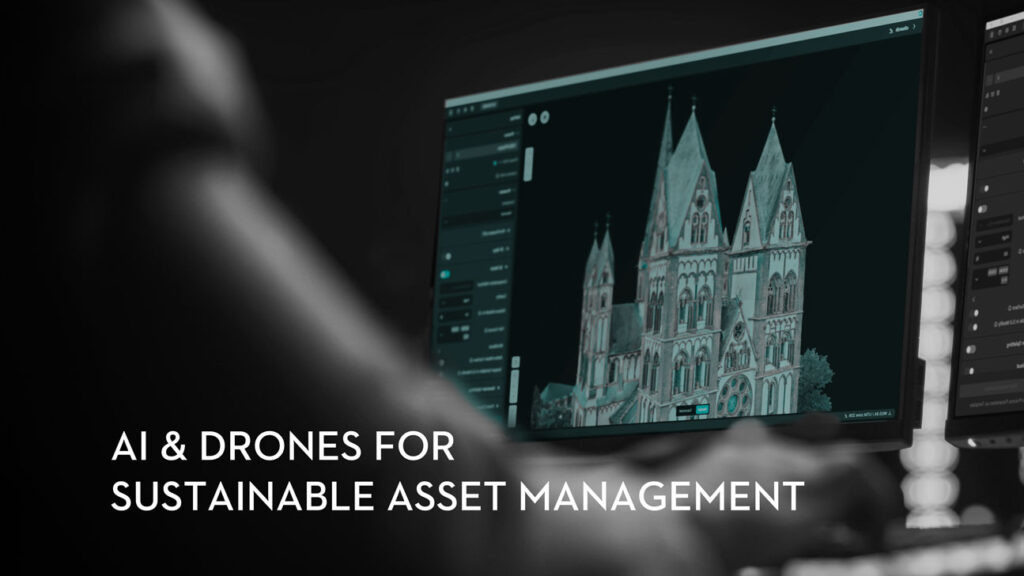
The effectiveness of a digital twin is a direct function of the accuracy, resolution, and frequency of its input data. Achieving a truly synchronised digital twin model requires a constant stream of high-fidelity data, a process that has been historically limited by logistical and financial constraints.
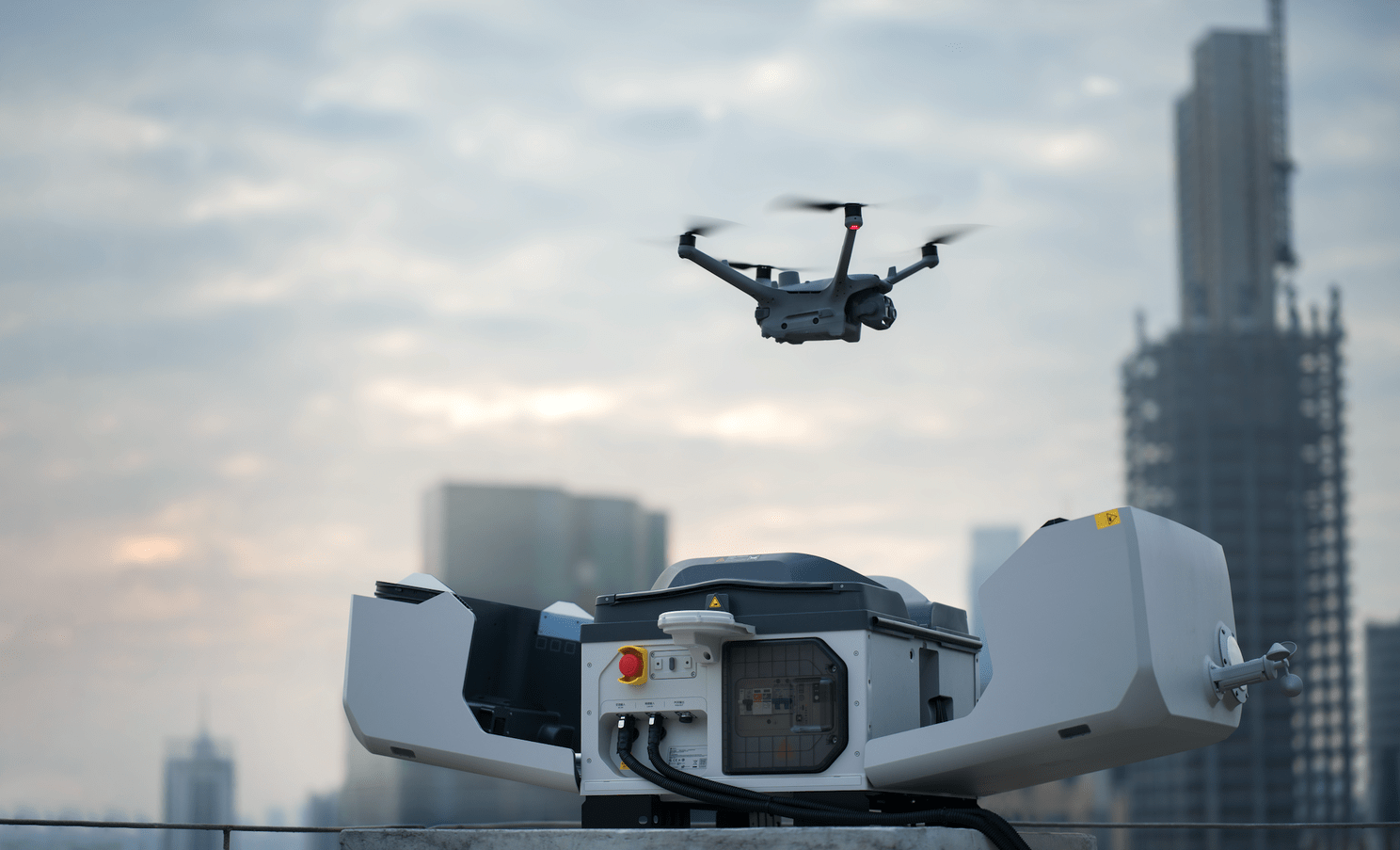
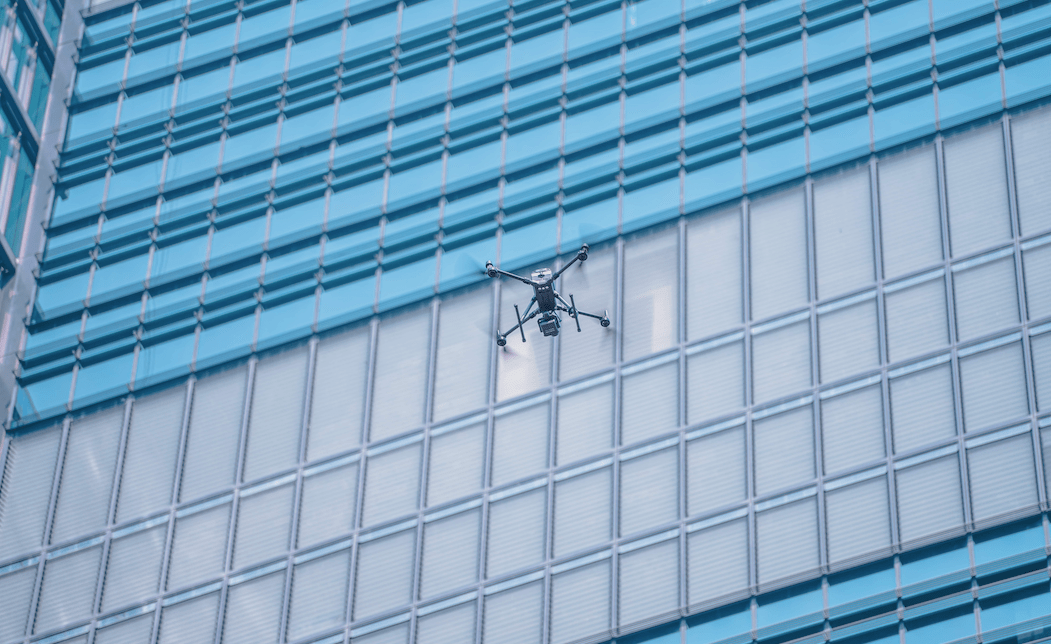
Today, this barrier is being overcome by automated reality capture systems using drones. Autonomous drone platforms, such as the DJI Dock 3, facilitate scheduled, repeatable missions to gather photogrammetric and thermal data. This raw aerial data, tagged with precise RTK/PPK geotagging, is the essential input for building the digital twin. This automated data pipeline ensures the model is not static but a dynamic, near real-time replica of its physical counterpart.
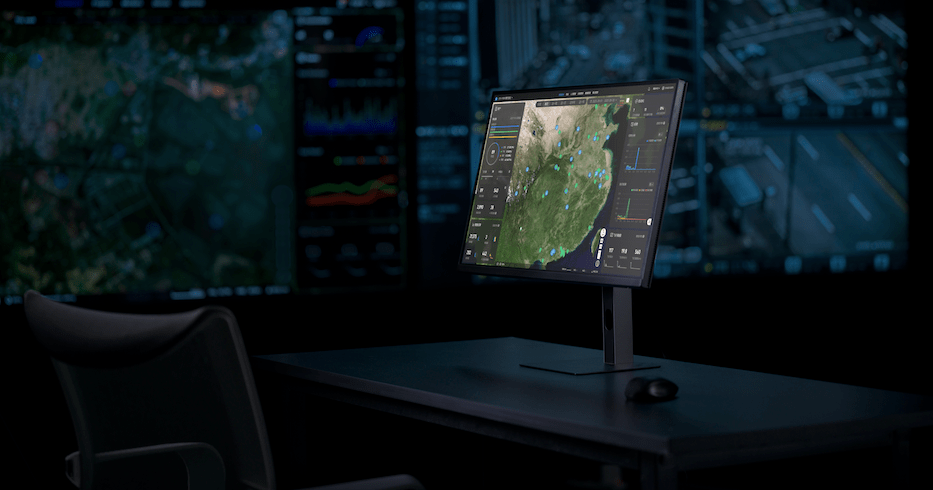
Collecting vast amounts of aerial data is only the first step. Managing the drone fleet and synthesising this data into a usable model requires a powerful, centralised platform. This is the role of cloud-based drone operations platforms like DJI FlightHub 2.
FlightHub 2 serves as the nerve centre for the entire digital twin ecosystem. It provides real-time situational awareness, allowing operators to monitor live HD video feeds from drones in the field from any location. More importantly, this acts as an engine that processes the raw drone data into coherent, actionable intelligence. With features like one-tap 3D model generation, the platform can rapidly process thousands of images to create dense point clouds, 3D textured meshes, and orthomosaic maps that form the basis of the digital twin. This allows teams to make annotations and precise measurements directly on the model, with all information synced via the cloud for all stakeholders, ensuring a single source of truth.
The real-world value of this drone-to-digital-twin workflow is demonstrated in its application to complex engineering and operational challenges.
Optimising Energy Infrastructure: This approach moves asset management from preventative to predictive maintenance. For hydropower facilities, LiDAR scans from drones feed into a digital twin of a dam structure. Engineers can then run Finite Element Analysis (FEA) on this model to simulate long-term material fatigue. In wind energy, AI algorithms analyse high-resolution drone imagery to detect and classify leading-edge erosion or micro-cracks on turbine blades, optimising repair schedules and maximising turbine uptime.
Enhancing Building Information Modelling (BIM): In real estate, a digital twin transforms a static BIM model into a living operational tool. By integrating drone-captured thermal data of the building’s layout with real-time data from internal HVAC and IoT sensors, a dynamic energy model is created. This allows for Computational Fluid Dynamics (CFD) simulations to optimise airflow and thermal performance, enabling facility managers to test the ROI of upgrades in a virtual environment.
When scaled, this technology enables the management of interconnected assets. A “system-of-systems” digital twin, built from consistent drone data, can represent an entire regional energy grid. This allows operators to run sophisticated load-balancing algorithms and demand-response simulations, enhancing grid stability.
This framework is also fundamental to the circular economy. The digital twin can function as a “material passport,” precisely tracking the condition and composition of every component. This supports advanced Lifecycle Assessment (LCA), providing the data needed for targeted retrofitting, component reuse, and efficient material recycling at the end of the asset’s life, directly contributing to ESG goals.
The integration of autonomous drone data capture with digital twins and AI is a foundational shift in digital twin systems. It provides the technical framework to make sustainability a measurable, optimisable, and data-driven operational reality.
If you want to know more about building your own digital twins and the tools that you will need, get in touch with us today.