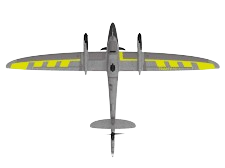
The Quantum Systems Trinity Pro is a German-engineered eVTOL fixed-wing built for survey firms that want one airframe across every project type. A single 90-minute flight covers 7 km² of topographic survey or 100 km of corridor, with airborne LiDAR, PPK photogrammetry and a payload swap that takes seconds. The IP55-rated airframe holds up at altitudes to 5,500 m and in the conditions GCC survey teams work through in summer.
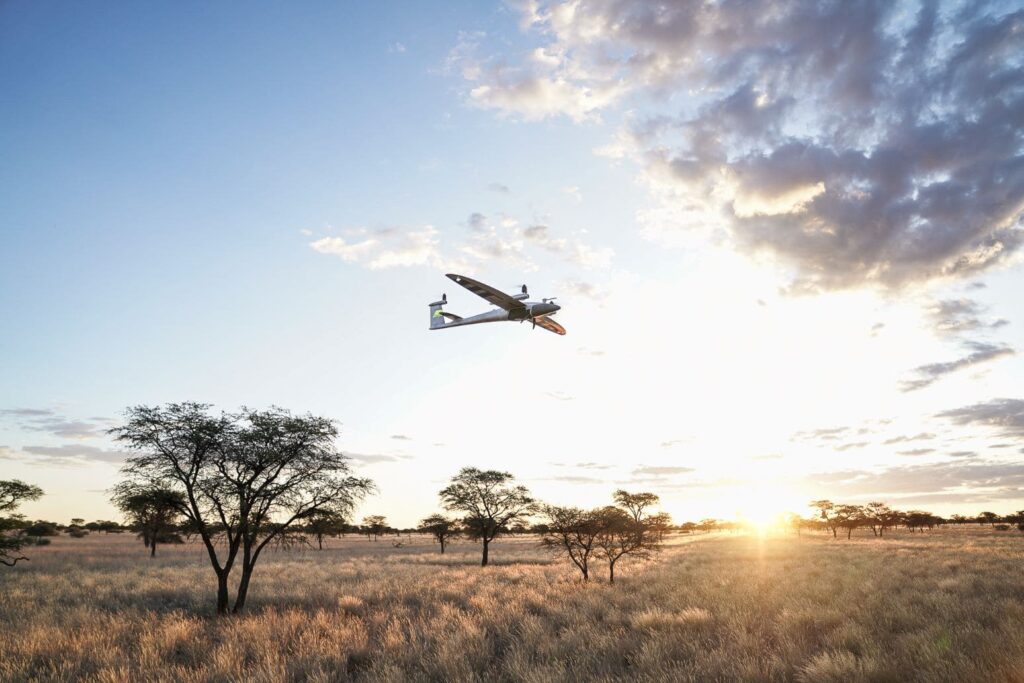
Refined aerodynamics give Trinity Pro a 90-minute flight time, which translates to roughly 7 km² of topographic survey per sortie or 100 km of linear corridor. Survey teams that previously needed two or three flights to cover a site finish in one, and the resulting orthomosaic comes from a single capture window rather than stitched runs across multiple sorties.
The payload compartment uses a quick-lock mechanism that swaps sensors in seconds. Choose between RGB, oblique, multispectral or the Qube 240 LiDAR scanner. The LiDAR weighs 930 grams and produces survey-grade point clouds. Mission planning in QBase 3D adjusts automatically to each sensor profile, so the same drone runs photogrammetry one day and LiDAR the next.
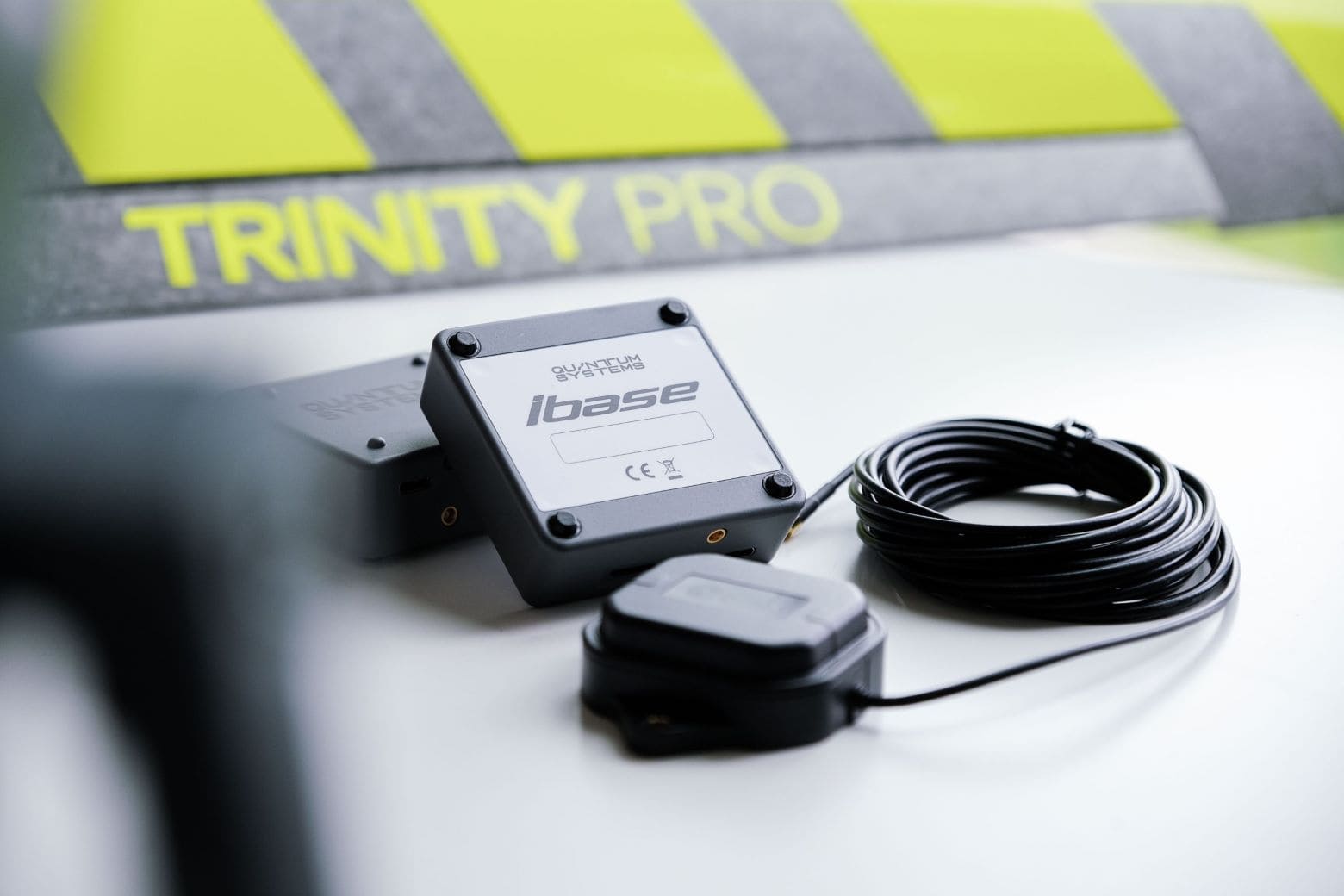
Every Trinity Pro ships with an iBase GNSS reference station that logs ground-side GNSS measurements during flight. Post-processing the captured imagery against the iBase log delivers centimetre-grade positional accuracy, eliminating the cumulative errors that make raw GNSS unfit for survey deliverables. Most teams pair this with Pix4D or QBase 3D for the photogrammetry workflow.
Trinity Pro is rated to fly up to 5,500 m above sea level and operate in temperatures from -12°C to 50°C. The IP55 airframe handles dust ingress and water spray, which keeps survey work moving in conditions that would ground other airframes. Cruise wind tolerance hits 14 m/s, strong enough for most summer survey windows across the region.
Add Trinity Pro to your fleet and it grows with you. The platform has proven its performance, reliability and accuracy since market launch in 2018. The new Trinity Pro incorporates the latest technology including a new autopilot, making it ready for the future.
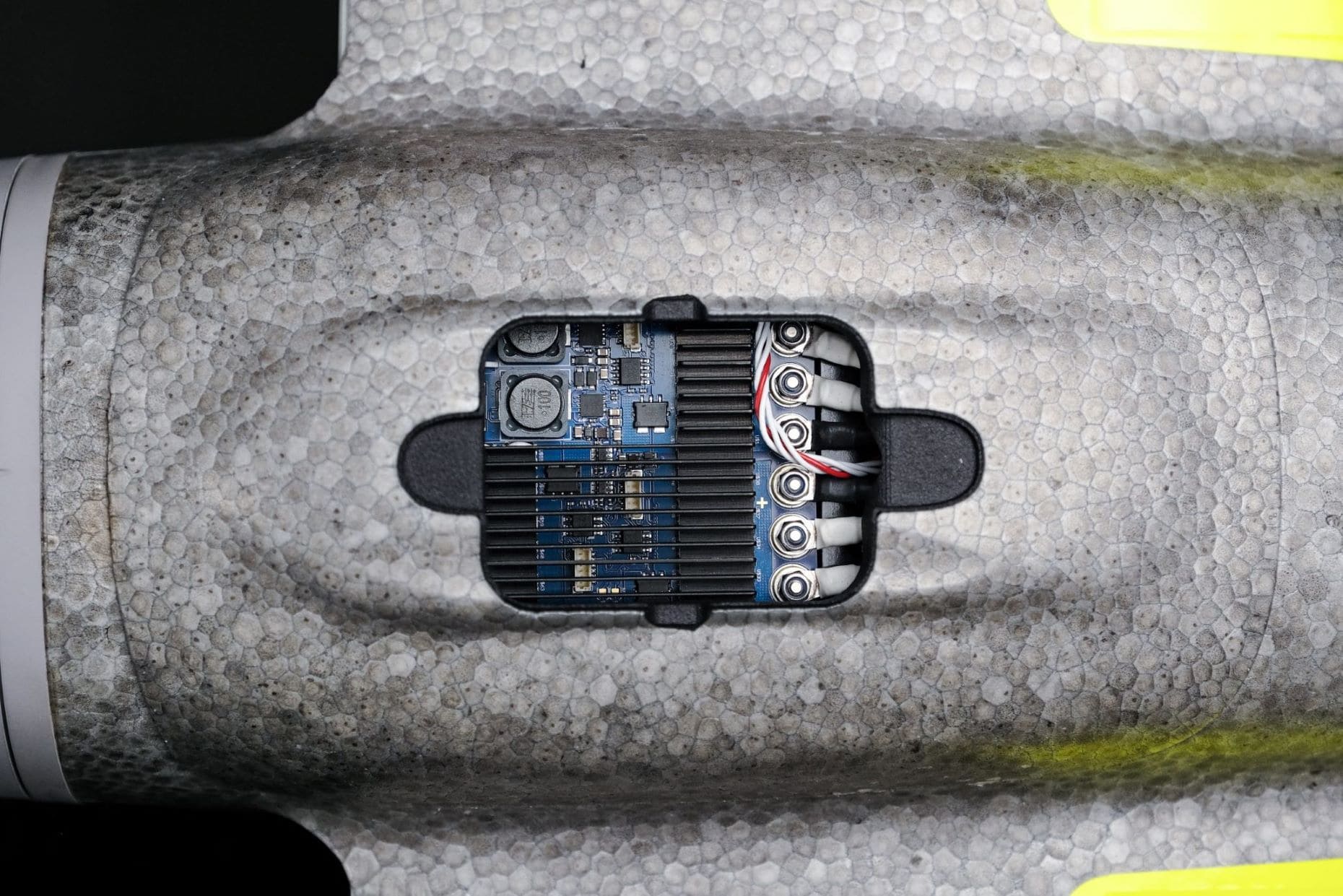
The new Quantum-Skynode autopilot brings computing power, increased internal storage and enhanced connectivity onboard the aircraft. Downstream integration of next generation cameras, AI capabilities and application specific software connections for better streamlined workflows becomes a simpler matter. New capabilities can be added as the technology evolves.
Due to its refined aerodynamics, the Trinity Pro uses less energy and achieves unmatched flight times of 90* minutes and longer. During flight, it can cover large areas (700 ha/ 1,730 acres) or long corridors (100 km/ 62 miles), making it the surveying tool of choice for a broad variety of applications.
*Subject to export regulation
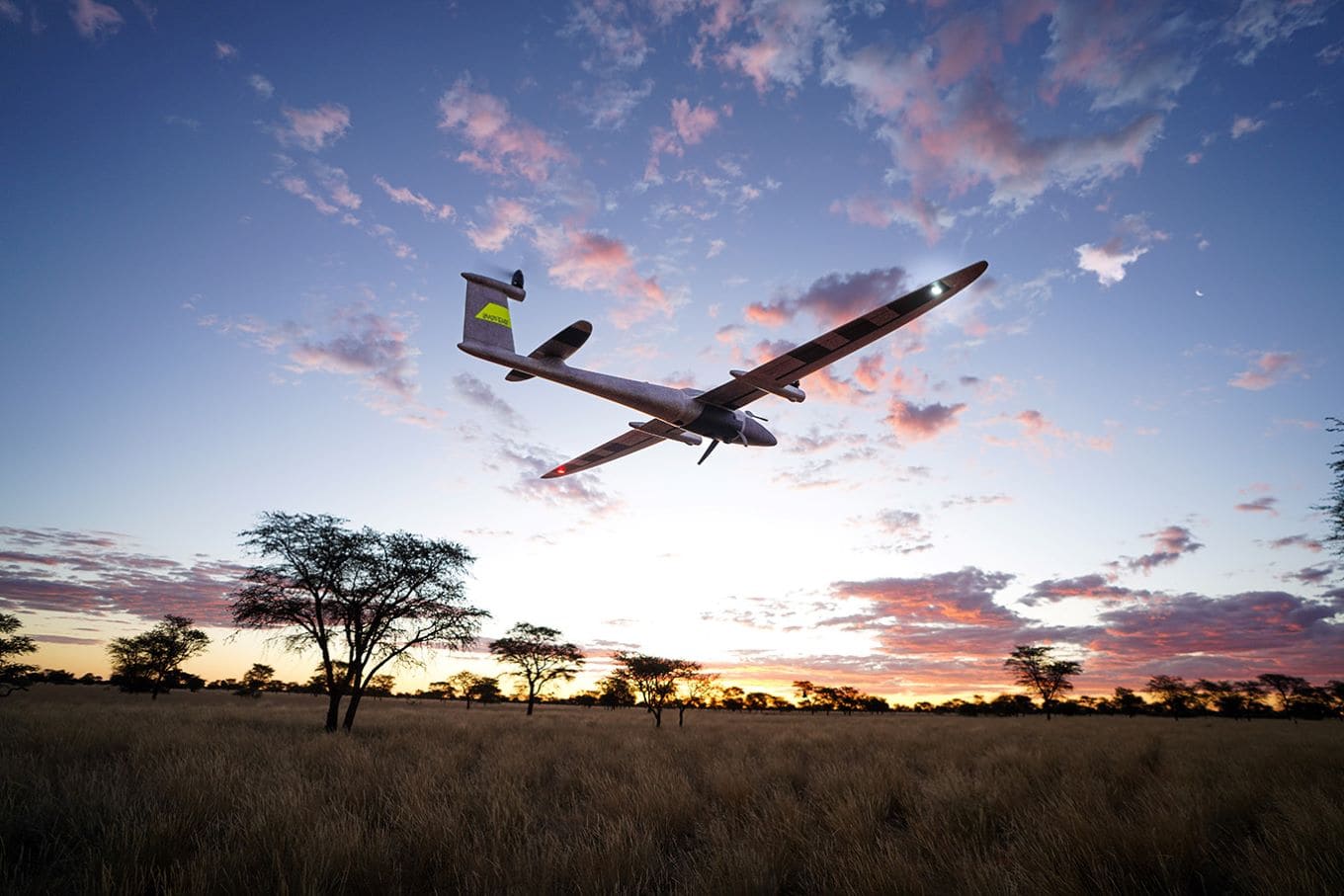
Extensive pre-flight checks and auto servo calibration give the user confidence in the system and little to worry about. Potential detected risks are reported during mission planning in QBase 3D and before take-off. This is reducing the risk of an adverse event during flight.
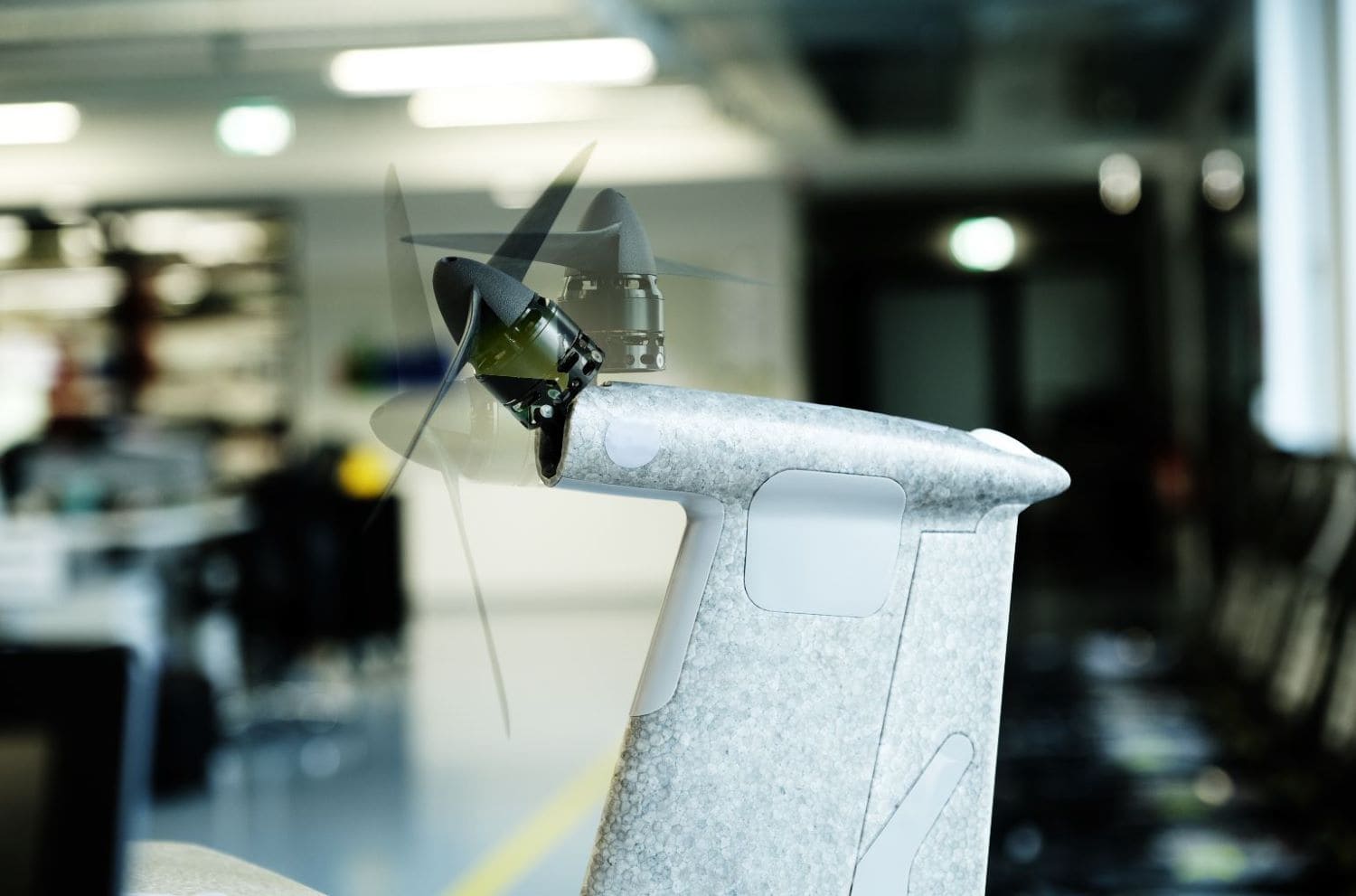
Trinity Pro comes with the largest choice of sensors, compared to other fixed-wing UAVs in the market. And they are very easy to swap. The Quantum Systems payload compartment allows for an easy swap of sensors within seconds using the quick-lock mechanism. The sensors are seamlessly integrated to support mission planning in QBase 3D, allowing frequent changes in the surveying application. Choose from RGB, Oblique, multispectral and even LiDAR.
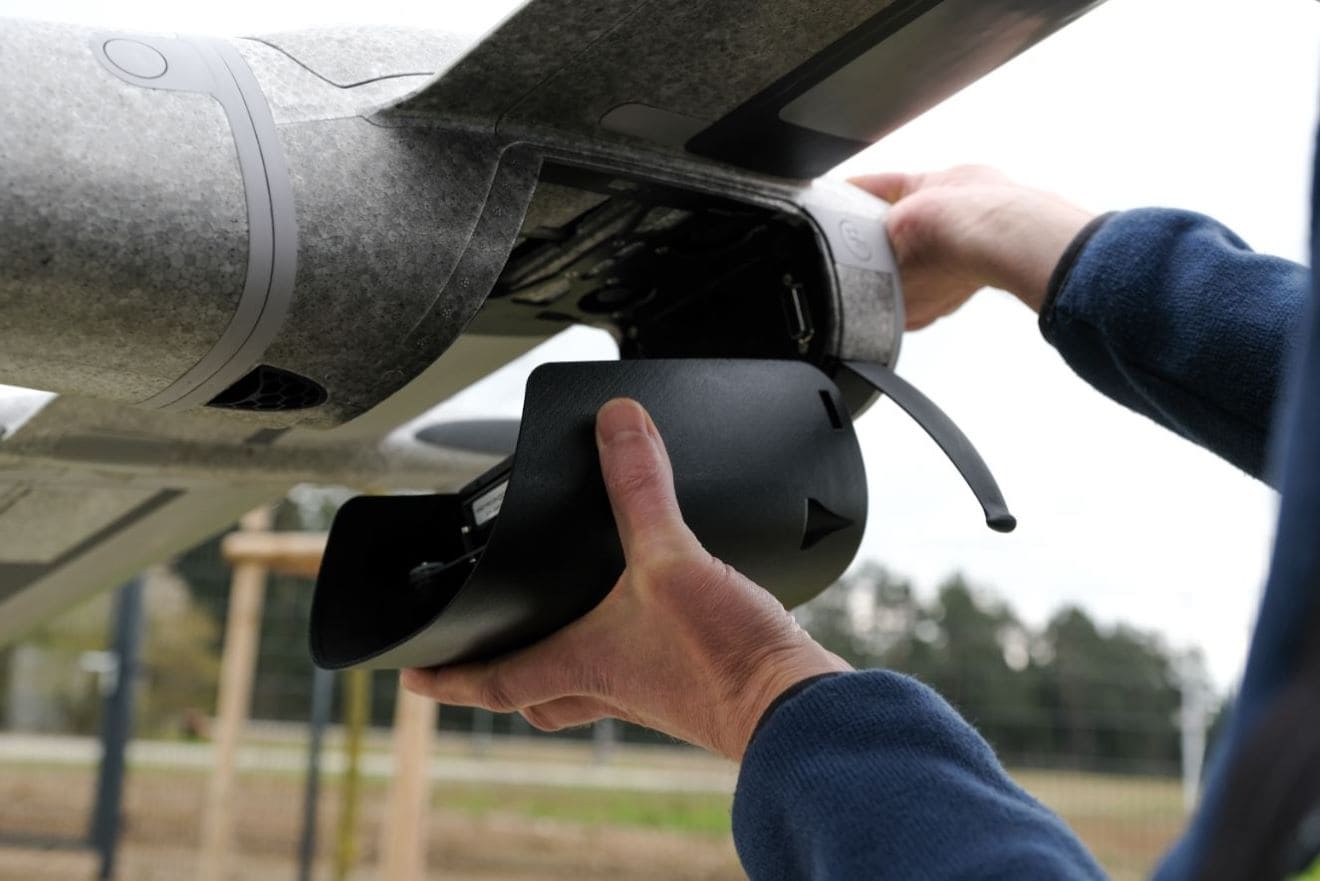
The Qube 240 LiDAR scanner mounts directly to the Trinity Pro payload bay, weighs 930 grams, and outputs survey-grade point clouds suitable for terrain modelling, vegetation profiling and infrastructure mapping. Mission planning, capture and post-processing all run through QBase 3D, so the LiDAR workflow integrates with photogrammetry sorties on the same project file.
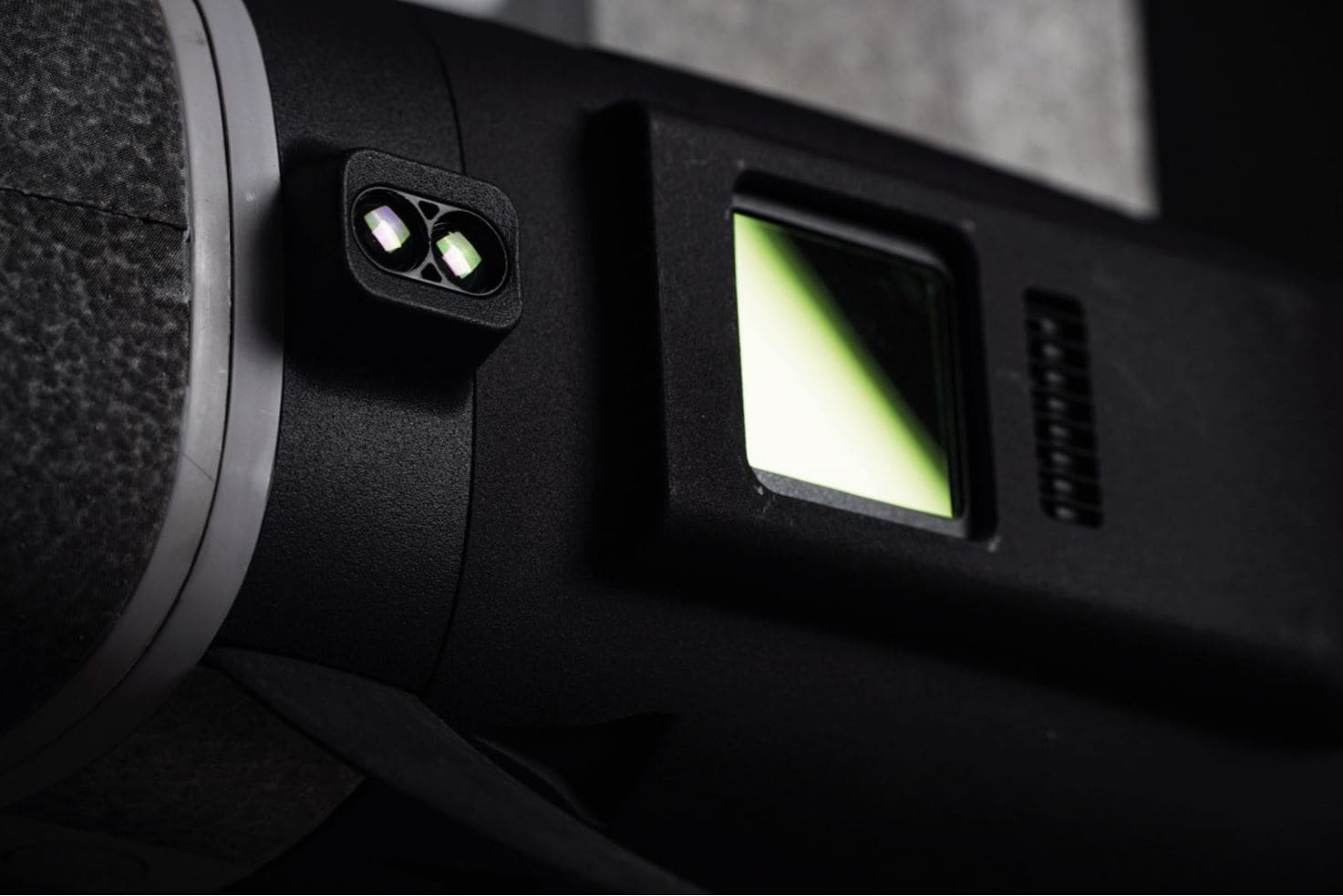
All Trinity Pro UAVs are equipped with an entry-level GNSS reference station, the Quantum Systems iBase. It automatically logs GNSS reference measurements on the ground to a file on a microSD card. The file enables the post processing software to do PPK processing of the data collected in-flight and drastically reduce the GNSS positioning errors.
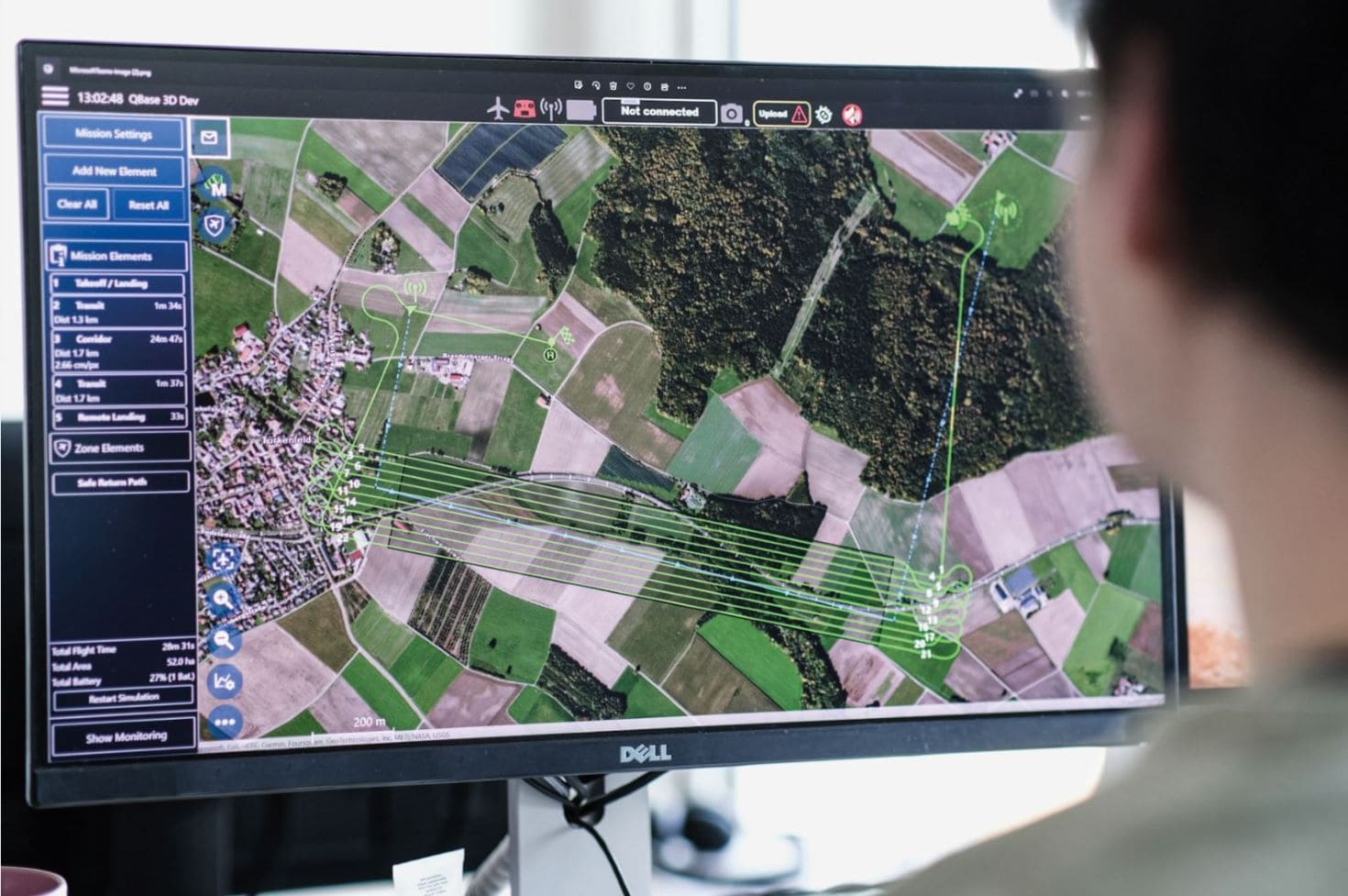
The QBase 3D software has been extended with additional features including the ability to take-of from and land in different locations (A/B missions). This is finally enabling true long corridor mapping and paving the way to BVLOS flights.
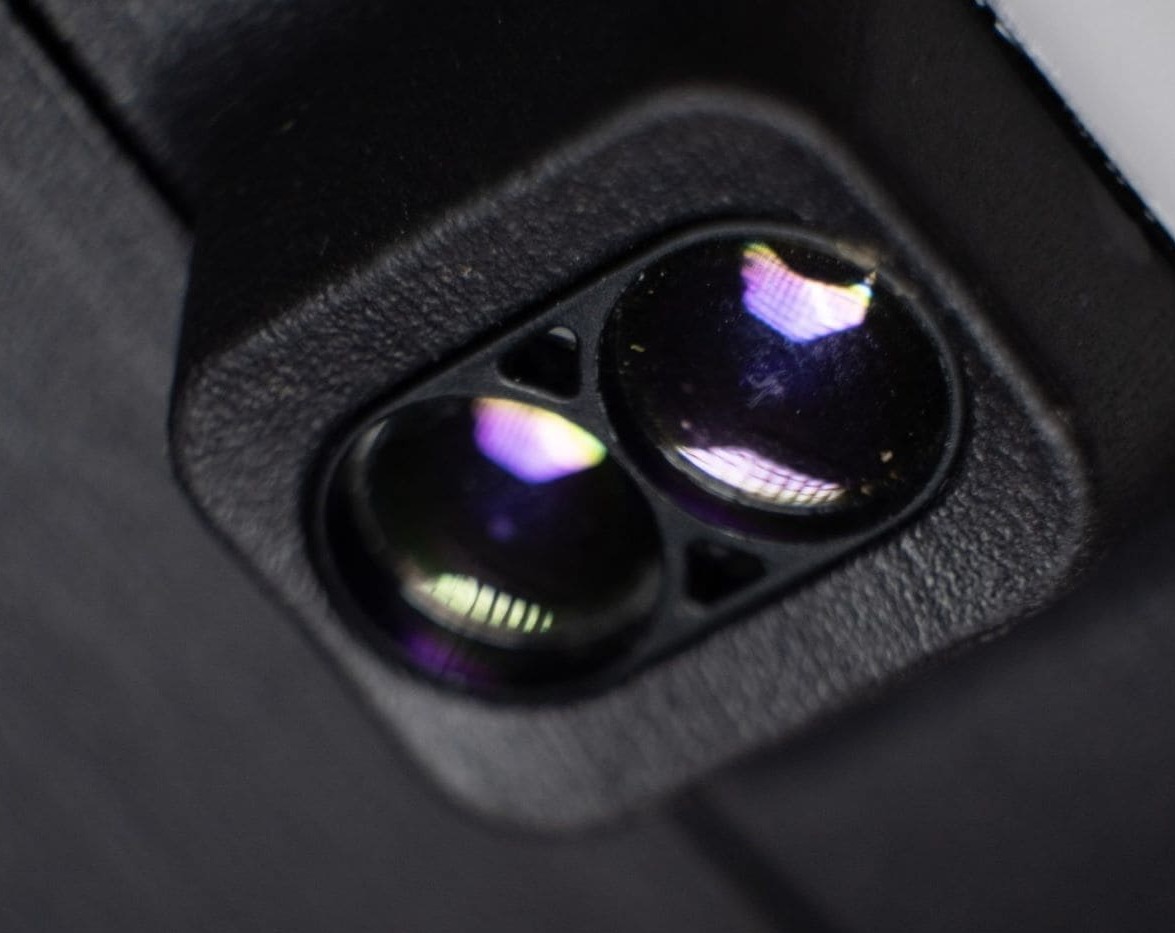
A down facing LiDAR allows for safe and BVLOS ready flight plans, including safe landings.
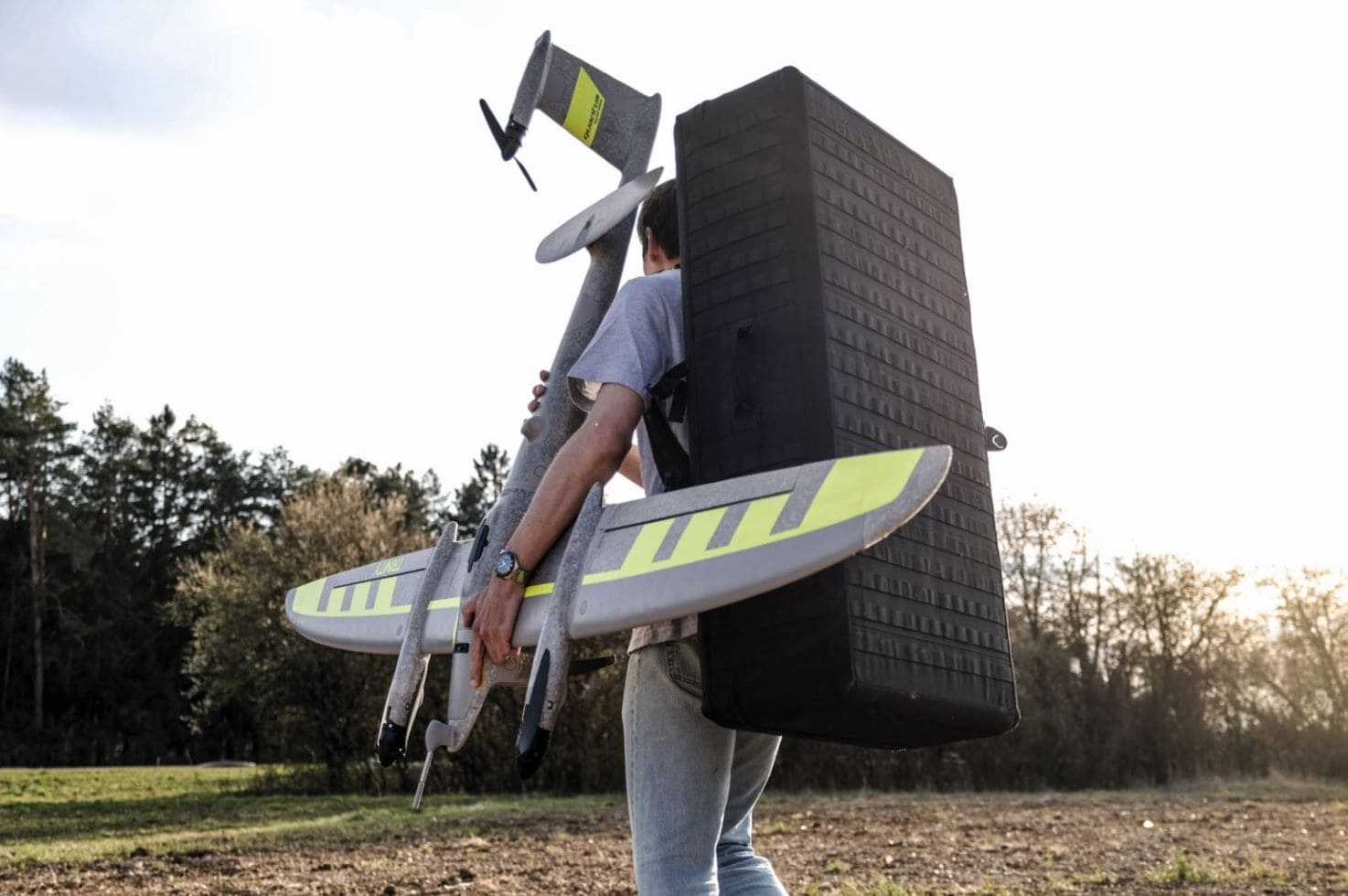
A backpack to carry and store Trinity Pro in small pack size is offered as an option.
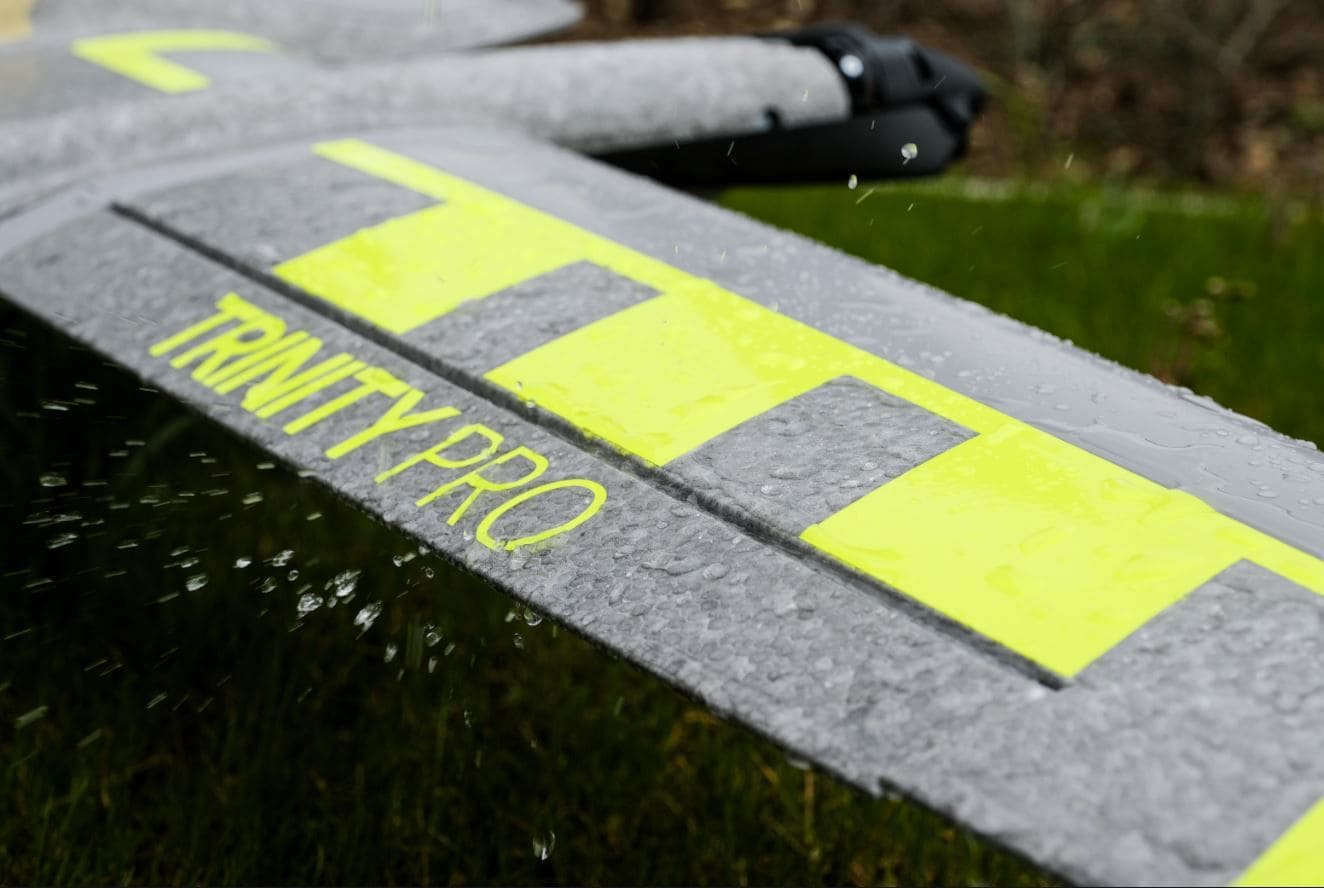
Users benefit from the IP 55 rating for our drone when operating in challenging environments. It is broadening the application capabilities while reducing risk to the unit.
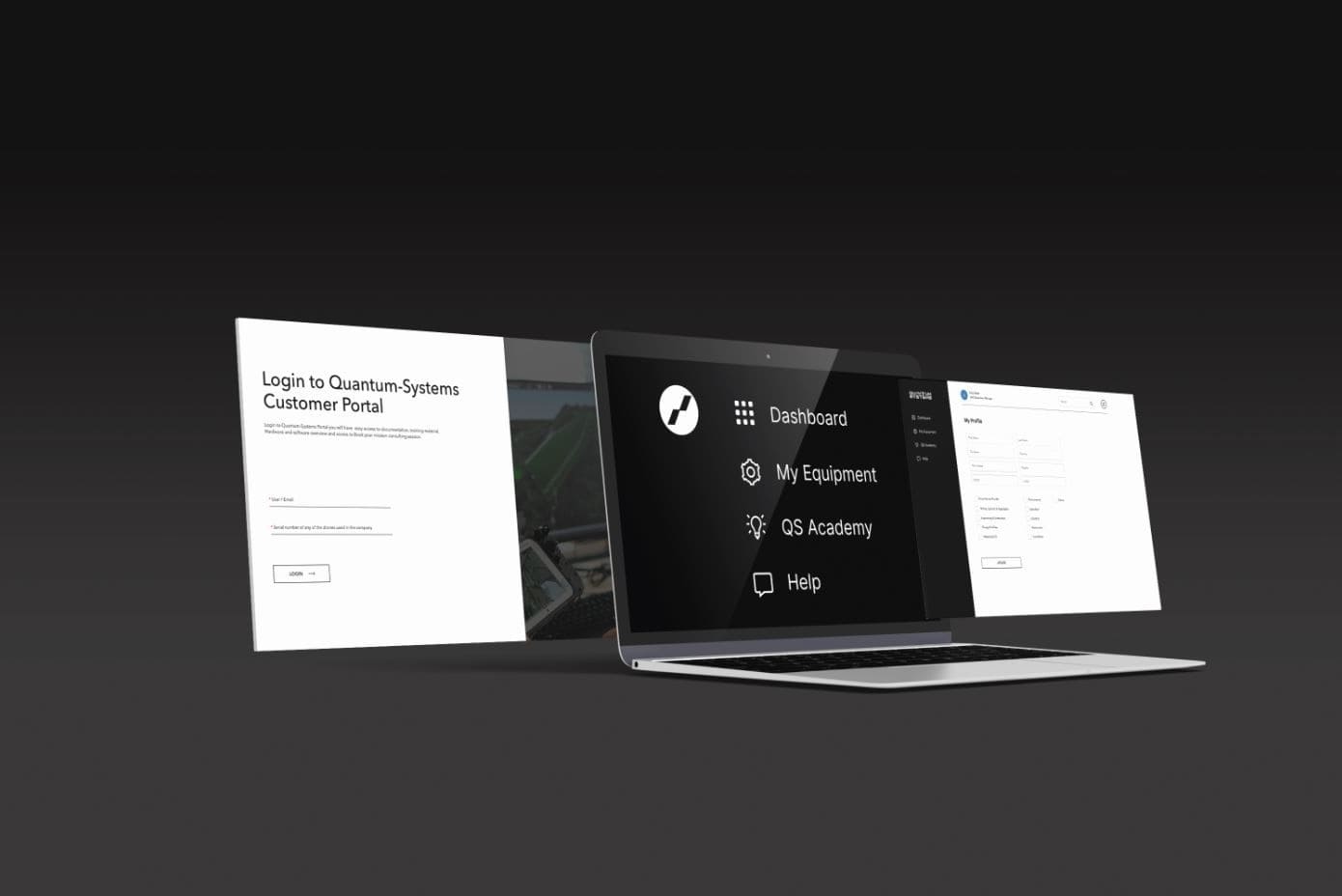
Register your drone and get access to the Quantum Systems Customer Portal. It will guide new users through all required steps when starting operation, also offering online classes. Our world-class support, service, and training team are standing by and ready to help in case more support is needed.
With the sale of each Trinity Pro, Quantum-Systems protects an area of 64 square meters in the Peruvian Amazon rainforest. By protecting primary native forests in Peru, together with the Wilderness International Foundation, each Trinity Pro sold is offsetting part of its CO₂ footprint.

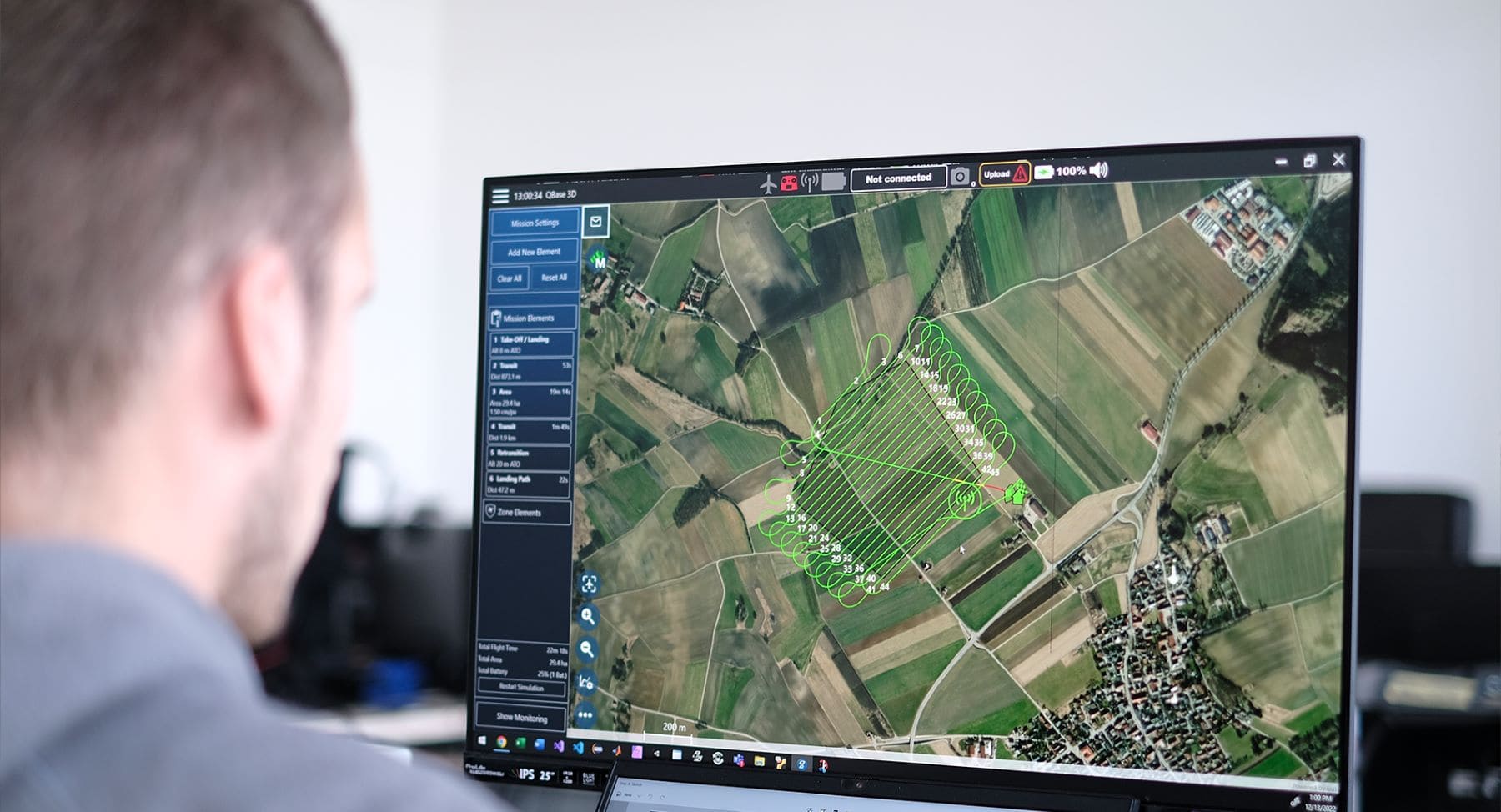
Trinity Pro and our QBase 3D software form a completely integrated system that lets you plan and execute your missions with ease. Benefit from cutting-edge safety features such as extensive pre-flight checks, automatic wind simulation and advanced terrain following.
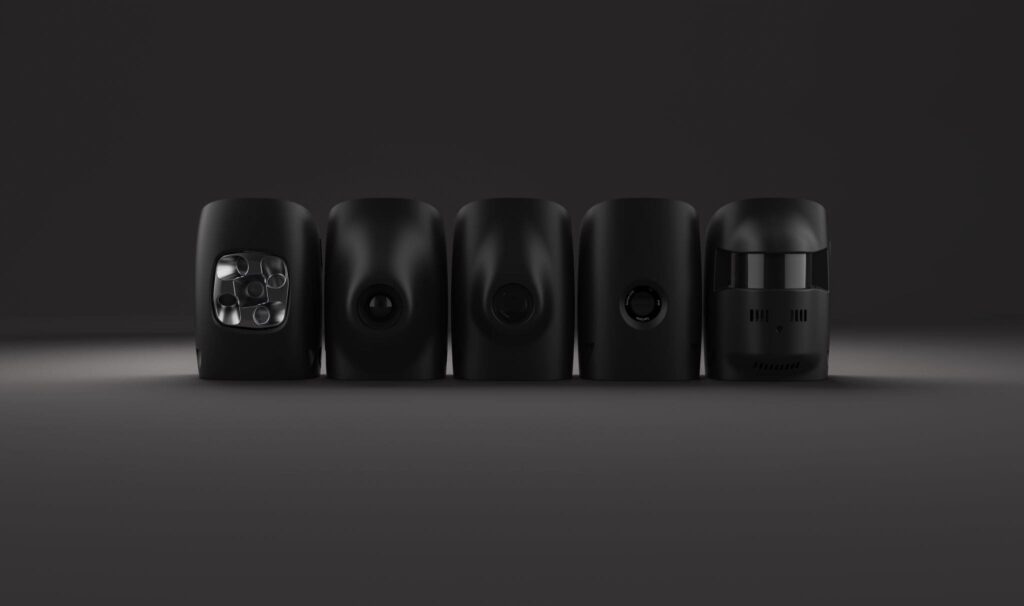
Trinity Pro users have the choice between five different fully integrated cameras, including RGB, oblique, multispectral and LiDAR. They are easy to swap using the quick-lock mechanism of the payload compartment. The entire system architecture allows easy downstream integration of next generation cameras and simpler workflows.
5.75 kg (12.68 lbs)
90 min (subject to export regulation)
700 ha
5500m (18,045 ft)
5 – 7.5 km (3.1 – 4.7 mi)
17 m/s (33 kn)
11 m/s (21.4 kn)
14 m/s (27.2 kn) (subject to export regulation)
18 m/s (35 kn) (subject to export regulation)
-12° C to 50° C (10.4° F to 122° F)
IP 55
2.394 m (7.85 ft)
100.2 x 83 x 27 cm (39.4 x 32.7 x 10.6 inch)
Get the support you need. From choosing the right drones to getting professional training, our experienced drone consultants ensure that all your needs are met.