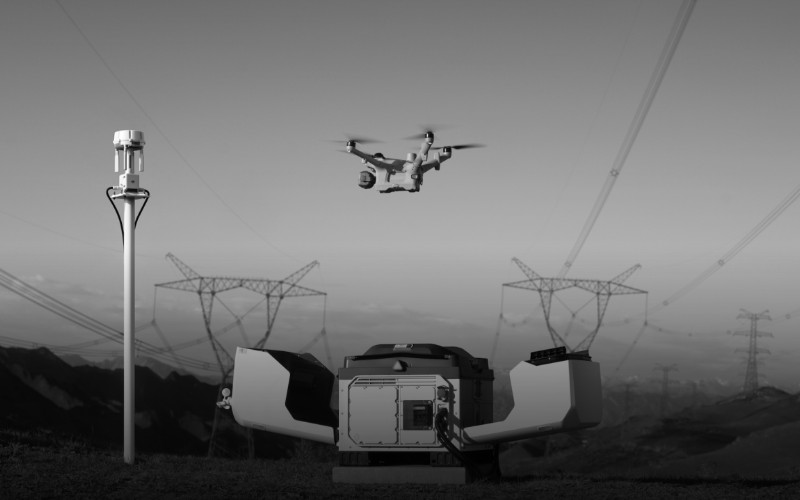
Let’s start with the Dock 4’s biggest draw: the battery swap. When the drone lands, the dock swaps its battery automatically in under 25 seconds, and the drone takes off again in under 45. The system stores up to three batteries and charges two at a time, taking each one from 15% to 95% in about 27 minutes.
The entire system keeps working through a power cut, since each stored battery can run it for about four and a half hours, and with at least two loaded, it can carry on swapping until mains power returns.
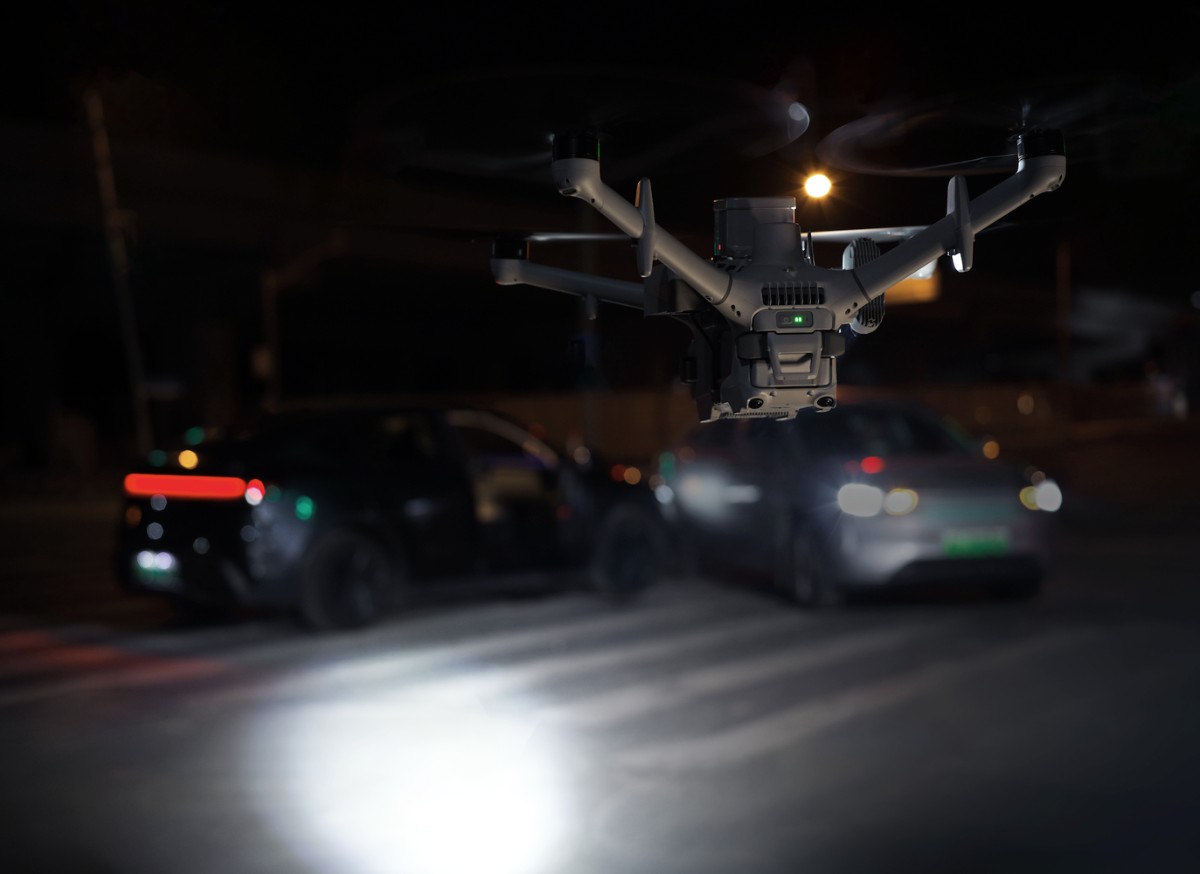
Since it uses rotating LiDAR and millimetre-wave radar alongside its vision sensors, the Matrice 5TD can detect thin obstacles such as power lines, even at night. It also recognises 17 types of objects, including cars, boats and animals, while in flight. Its thermal camera now records at 1280 x 1024, four times the pixel count of the Matrice 4TD’s, so heat from equipment, vehicles and people shows up in far more detail, day or night.
The Drone-in-a-box made true BVLOS operations possible with no pilots on site. And each Dock generation pushed them further. With the Dock 4, battery swaps remove the charging gap between flights, and new sensors give the drone a clearer view of obstacles when nobody is flying it manually.
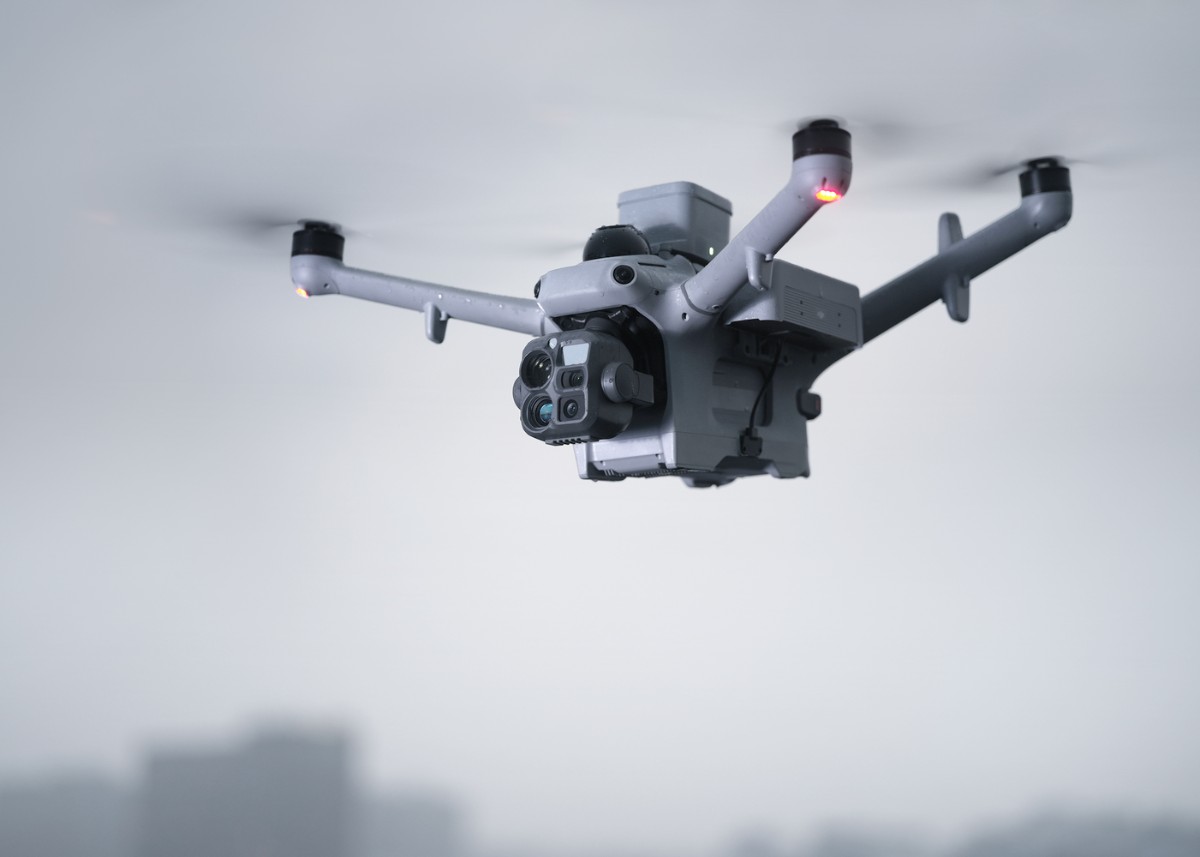
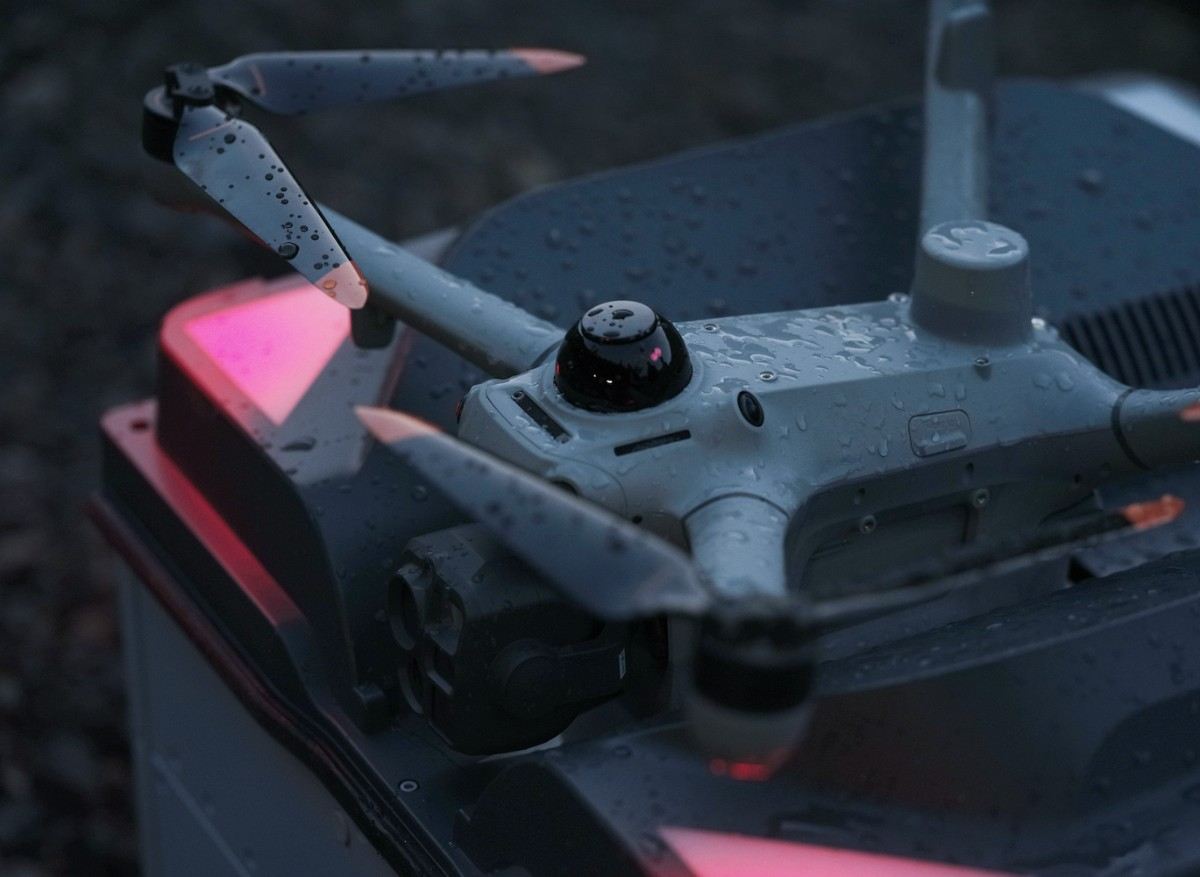
The Dock 4 runs in temperatures from -40°C to 50°C, using built-in air conditioning to stay cool in high heat, and its IP56 rating protects it against dust and water. It can also land the drone in winds of up to 12 m/s.
Summer temperatures in parts of the Gulf can reach 50°C, the top of that range, so place the dock in a well-ventilated spot to keep it within its operating limits on the hottest afternoons. The same IP56 rating covers the heavy rain that parts of the region see in winter.
Where the Dock 4 fits in the Middle East
The Dock 4 suits operations that need a drone ready at short notice, day or night, and in the region that applies most to the four sectors below.
The Dock 4 works as a drone-as-first-responder (DFR) system, which means a docked drone launches when a call comes in, often reaches the scene before ground teams and sends live video and thermal imagery back so responders know what to expect. With Task Relay, a second drone takes over when the first needs a new battery, so the team keeps sight of the incident throughout.
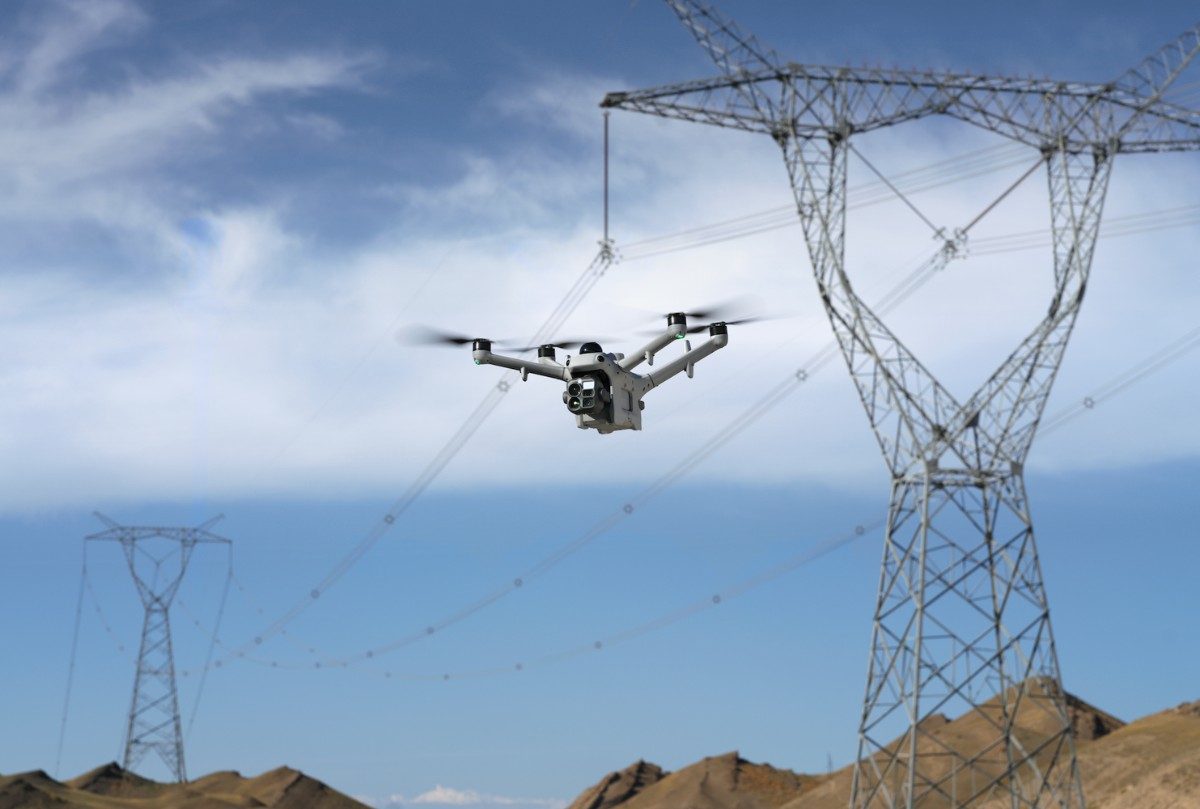
Pipelines, power lines and solar farms in the region often stretch for kilometres across open desert, and sending a crew out for every inspection takes time. With a Dock 4 on site, the drone can fly scheduled inspections and respond to alarms without anyone driving out, using its thermal camera to spot hotspots on panels and equipment and its wire-level sensing to fly around power lines.
For oil and gas facilities, ports and other critical sites, the Dock 4 can run security patrols around a site perimeter on an automated schedule or be sent out on prompt. Its AI recognition flags vehicles, boats and animals as it flies, and thermal sensors enable low-light operations.
On large developments, a drone on site can handle construction progress monitoring by flying the same route every day without a pilot, and project teams get a regular, dated record of how the works are moving.
The Dock 4 only works with the Matrice 5TD, so teams flying the Matrice 4TD from a Dock 3 will need new aircraft to move across. The dock also needs mains power, a network connection and a DJI O4 ground station for the video link and positioning, so plan the site before the dock arrives. Once it is running, the team plans routes, watches live video and reviews data through DJI FlightHub 2 from any location.
Each generation of the DJI Dock has moved closer to the same goal: a drone that keeps flying without a break. The first docks made automated flights possible, and the Dock 3 took them on the road, but every landing still meant a half-hour wait for the battery to charge. Dock 4’s automatic battery swap cuts that to less than a minute.
As an authorised DJI Enterprise distributor, The Drone Centre has worked with every DJI Dock from the first generation to the fourth. To see the battery swap for yourself, book a demo with our team on WhatsApp at +971 52 209 2367
With a fresh battery every 25 seconds, the drone is ready whenever the site needs it. The battery used to decide how long a drone could stay on the job. Now the job does.